LandShift Mid-Term Meeting in Warsaw: Strengthening Collaboration Across Living Spaces
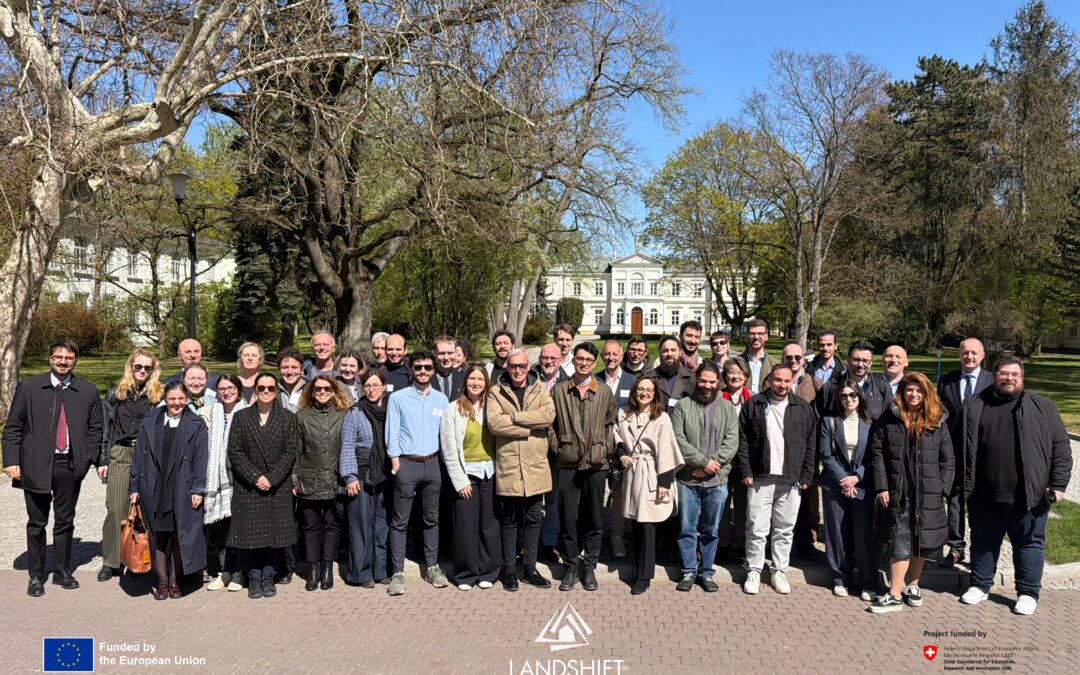
Last week, LandShift partners gathered in Warsaw for the project’s Mid-Term Consortium Meeting, marking an important milestone as the project moves into its second phase.
Bringing together a diverse group of organisations, LandShift is built on collaboration across disciplines, regions, and expertise. Meetings like this are essential, not only to review progress, but to strengthen the connections that allow the project to function as a truly integrated effort.
The meeting was hosted by our Polish Living Space partners, Warsaw University of Life Sciences, Mazovia Region, and European Rural Development Network, who welcomed the consortium and provided valuable insights into the Mazovia Living Space.
Exploring the Mazovia Living Space – An Earth Day in Practice
The first day of the meeting coincided with Earth Day, offering a timely opportunity to step outside the meeting room and engage directly with the local context.
The field visit began at the Green Campus of Warsaw University of Life Sciences, where partners explored initiatives supporting biodiversity through dedicated green spaces and ecological design.
The tour continued to Michałowice Municipality, where the consortium was warmly welcomed by the Mayor and local representatives, who shared insights into how, at the municipal level, conscious efforts are being made to prioritise environmental protection over continuous expansion and development. In her presentation, the mayor of the municipality Małgorzata Pachecka highlighted the legislative context shaping these decisions, noting that certain frameworks can enable urban growth that may put pressure on biodiversity-rich areas, and areas that can play an important role in carbon sequestration. All in all, the municipality showcased how climate action is driven not only by large-scale strategies, but also by consistent, practical decisions at the local level.
This area also hosts one of the Living Space’s data collection sites, which plays a key role in LandShift’s research on climate and carbon dynamics. At this site, on-the-ground measurements are collected to assess carbon storage and greenhouse gas emissions. By linking this information with climate data and land-use patterns, LandShift can better understand how different ecosystems and land uses contribute to carbon sequestration or emissions.
A particularly meaningful stop was a visit to a local public kindergarten, where children are introduced early to environmental awareness and sustainable practices, a reminder that long-term impact starts with communities.
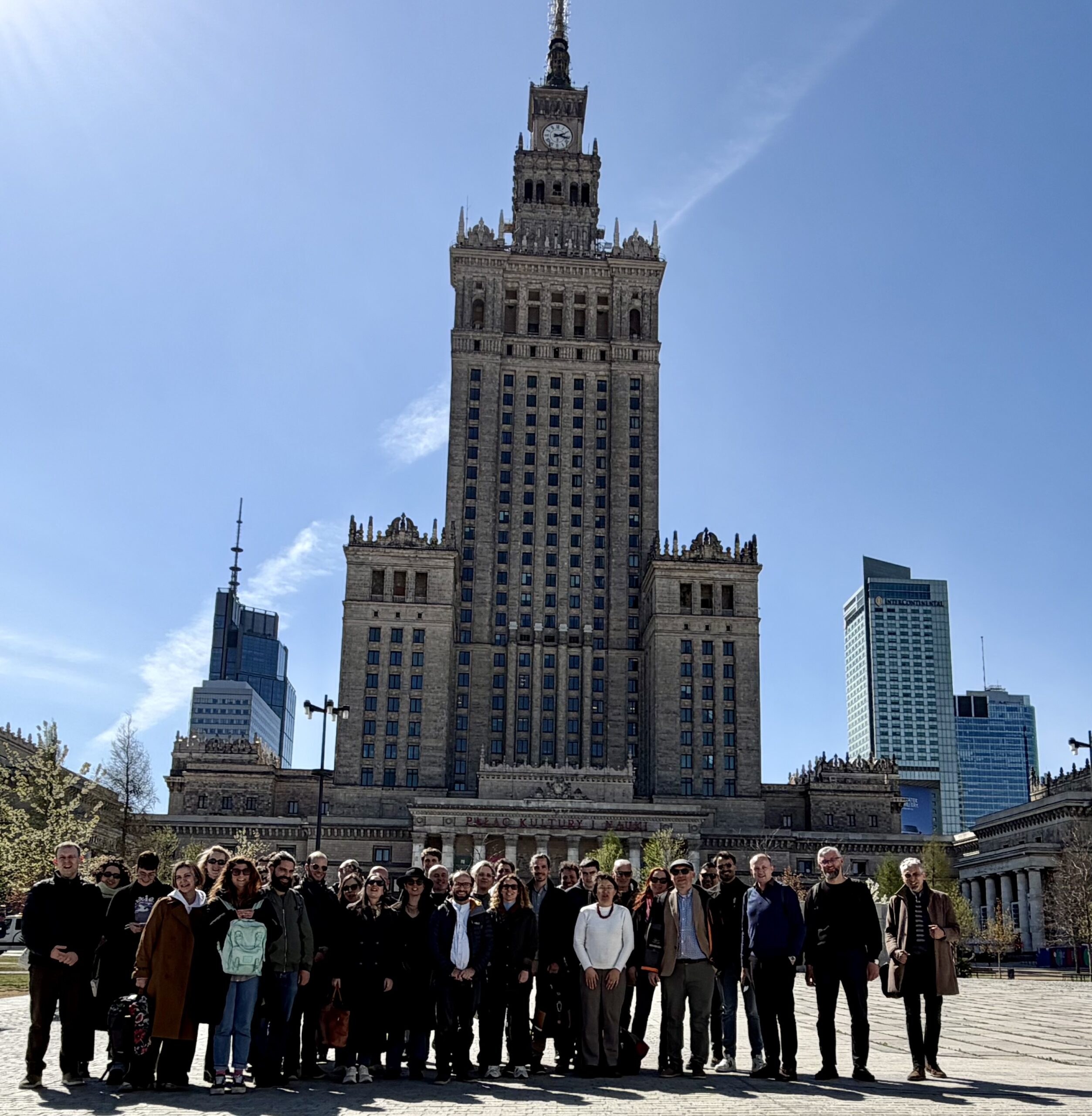
In the afternoon, we embarked on a tour of some of Warsaw’s iconic sites, which we explored from an urban planning perspective. What stood out was the abundance of green spaces in the city, which we were able to observe from one of the city’s landmark buildings, the Palace of Culture and Science. This was a clear example of how the preservation of or urban green spaces can be the result of deliberate planning.
The day also opened space for synergies with fellow Horizon Europe projects such as SOILTRIBES and SOILSCAPE, reinforcing shared ambitions around soil health and community-driven sustainability.
Altogether, the field visit captured the essence of the Living Spaces approach: connecting research, policy, and everyday practice.


From Insights to Action: Rolling Up Our Sleeves
Day 2 shifted the focus from observation to action.
Following a morning of project presentations, partners moved into a more hands-on format, engaging in a series of interactive workshops designed to deepen collaboration and translate insights into concrete steps.
In the afternoon, partners took part in a collaborative exercise organised by Metabolic Institute, focusing on mapping land-use challenges, interventions, and scenario modelling across the Living Spaces.
Each Living Space represents a unique regional context, facing distinct yet interconnected challenges, from urban pressures and forest cover loss to drought, wildfires, soil pollution, and biodiversity decline.
Through this exercise, partners explored how these challenges can be addressed through targeted interventions and how different land-use decisions may shape future outcomes.
At the core of this approach is the development of regional roadmaps, tailored to local priorities and needs. These roadmaps integrate nature-based solutions and are supported by detailed scenario modelling, ensuring that LandShift’s tools can provide meaningful, evidence-based guidance for decision-makers.


Aligning for the Next Phase
On Day 3, discussions continued with a focus on aligning priorities and next steps as the project enters its second half.
Partners are advancing the collection of climate and environmental data, while further developing monitoring and modelling frameworks in close collaboration with Living Spaces and stakeholders. A key priority remains ensuring that project tools and results effectively support real-world decision-making at local and regional levels.
The meeting reaffirmed the strength of the LandShift consortium and the shared commitment to delivering impactful, community-driven solutions for climate-resilient land use.