
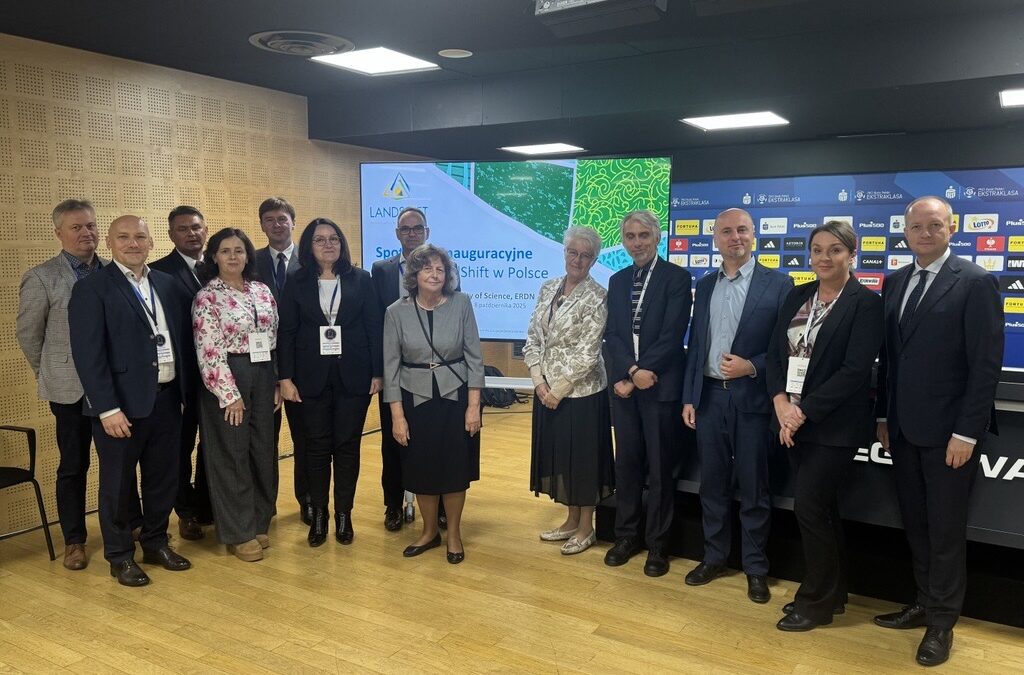
In LandShift, the Living Spaces are where the project’s ideas meet real places, real stakeholders and real land-use challenges. They are central to the project’s participatory approach, bringing together different actors to co-create Nature-based Solutions that respond to local needs and regional land management challenges.
Supporting this process requires careful coordination. Across the five Living Spaces, the European Rural Development Network (ERDN) supports the implementation of LandShift’s multi-actor approach, helping Living Space managing teams, research partners and wider stakeholder groups work together in a participatory and inclusive way.
As LandShift moves forward, this role becomes increasingly important. The Living Spaces will be involved in becoming familiar with, presenting and testing the project’s results, requiring clear communication between the project and local stakeholders.
In this Q&A, the ERDN team reflects on its role in LandShift, the value of the Living Spaces, the lessons learned so far, and the next steps for supporting co-creation across the project.
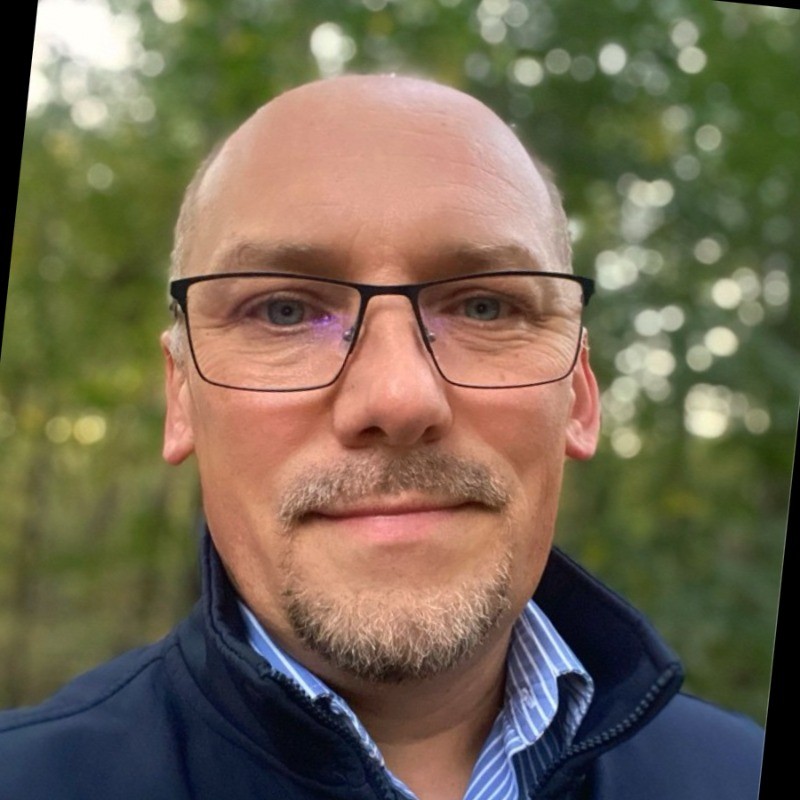
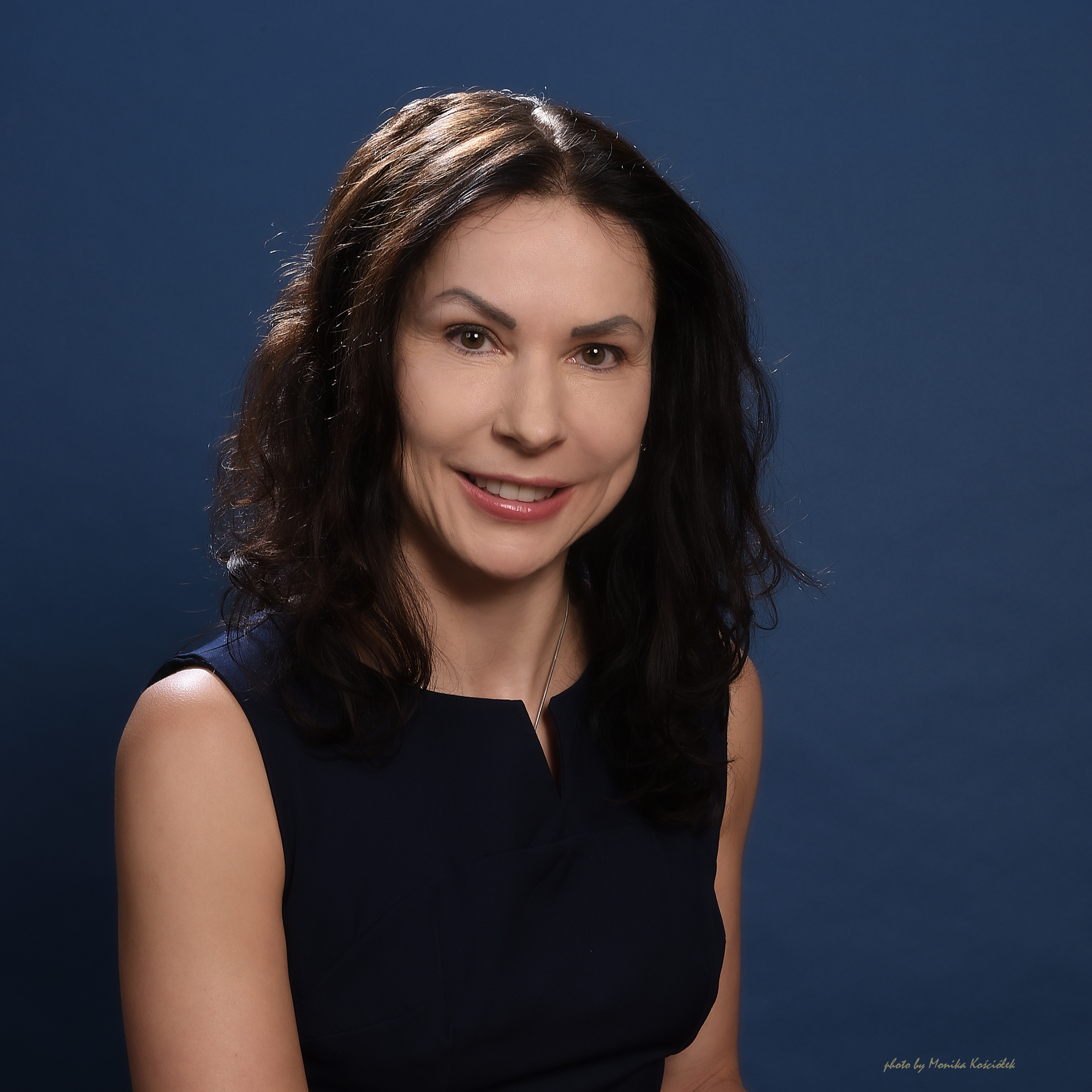
Insights shared by: Barbara Wieliczko, Marcin Żekało and Paweł Chmieliński.
How would you describe ERDN’s role in LandShift to someone who is hearing about the project for the first time?
ERDN is responsible for creating the framework and supporting the implementation of the multi-actor approach in the LandShift project. This approach helps ensure participatory and inclusive collaboration between different stakeholder groups in the co-creation of Nature-based Solutions for land use.
Through this work, ERDN supports collaboration across the countries participating in the project, with a key focus on urgent challenges such as climate change, biodiversity loss and unsustainable land management practices.
Why are the Living Spaces so important for the project, and how does working with them contribute to the research itself?
Living Spaces are vital for the co-creation of tailored Nature-based Solutions and for their promotion in the regions where they operate. They bring together members representing diverse stakeholder groups, whose perspectives are essential for shaping solutions that respond to real needs.
By contributing their local knowledge and experience, Living Space members significantly strengthen the research carried out within LandShift. Their input helps ensure that the solutions proposed are tailored to the specific needs and land management challenges of each area.
What does coordinating the Living Spaces involve in practice?
Coordination takes place on two practical levels. At project level, ERDN acts as a facilitator, supporting cooperation between the Living Space managing teams and the consortium partners responsible for research tasks. This helps ensure that partners work together towards LandShift’s wider objectives.
At Living Space level, ERDN supervises the coordination of activities across all five Living Spaces. This includes supporting the managing teams in organising planned activities with Living Space members and wider stakeholder groups through Community Labs and Policy Labs.

How do you help ensure that the different local realities and stakeholder perspectives of each Living Space are reflected in the wider project?
ERDN supports this process through several activities. First, by supervising the implementation of the multi-actor approach in each Living Space, ERDN helps ensure that diverse local realities and stakeholder perspectives are well represented.
Second, ERDN supports partners in applying co-creation methods through training and consultations. Finally, by facilitating dialogue between Living Space managing teams and other consortium partners, ERDN helps ensure that project results take into account the diversity of local contexts and stakeholder perspectives.
What have been some of the main insights or lessons learned so far from working with the Living Spaces?
One of the main insights, both for ERDN and for the LandShift project as a whole, is that constructive dialogue between different actors still needs to be actively supported. In many cases, this type of dialogue is not yet an obvious or established practice in the creation of new policies.
For ERDN, as a partner with strong expertise in facilitating multi-actor approaches, an important lesson has been the need to constantly look for and test new ideas for attracting stakeholders and maintaining their commitment throughout the process.


Looking ahead, what are the next important steps for the Living Spaces, and how will ERDN continue supporting them?
The next steps include helping the Living Spaces become familiar with the project’s results, as well as presenting and testing these results locally. This will require stronger and more targeted communication between the project and the members of the Living Spaces.
ERDN will continue to support the Living Space managing teams as key intermediaries between the project and Living Space members. This support will include best practices, training, individual consultations and problem-solving sessions. ERDN will also continue following EU-level policies to help the Living Spaces contribute up-to-date insights to relevant dialogue topics.
In one sentence, what do you hope the Living Spaces will achieve by the end of LandShift?
We hope that the Living Spaces will become platforms for constructive dialogue and the co-creation of solutions tailored to local land-use management issues, which can be sustained beyond the project and serve as best practice for other parts of Europe.