Living Space Spotlight: Mazovia, Poland

Living Space Spotlight: Mazovia, Poland

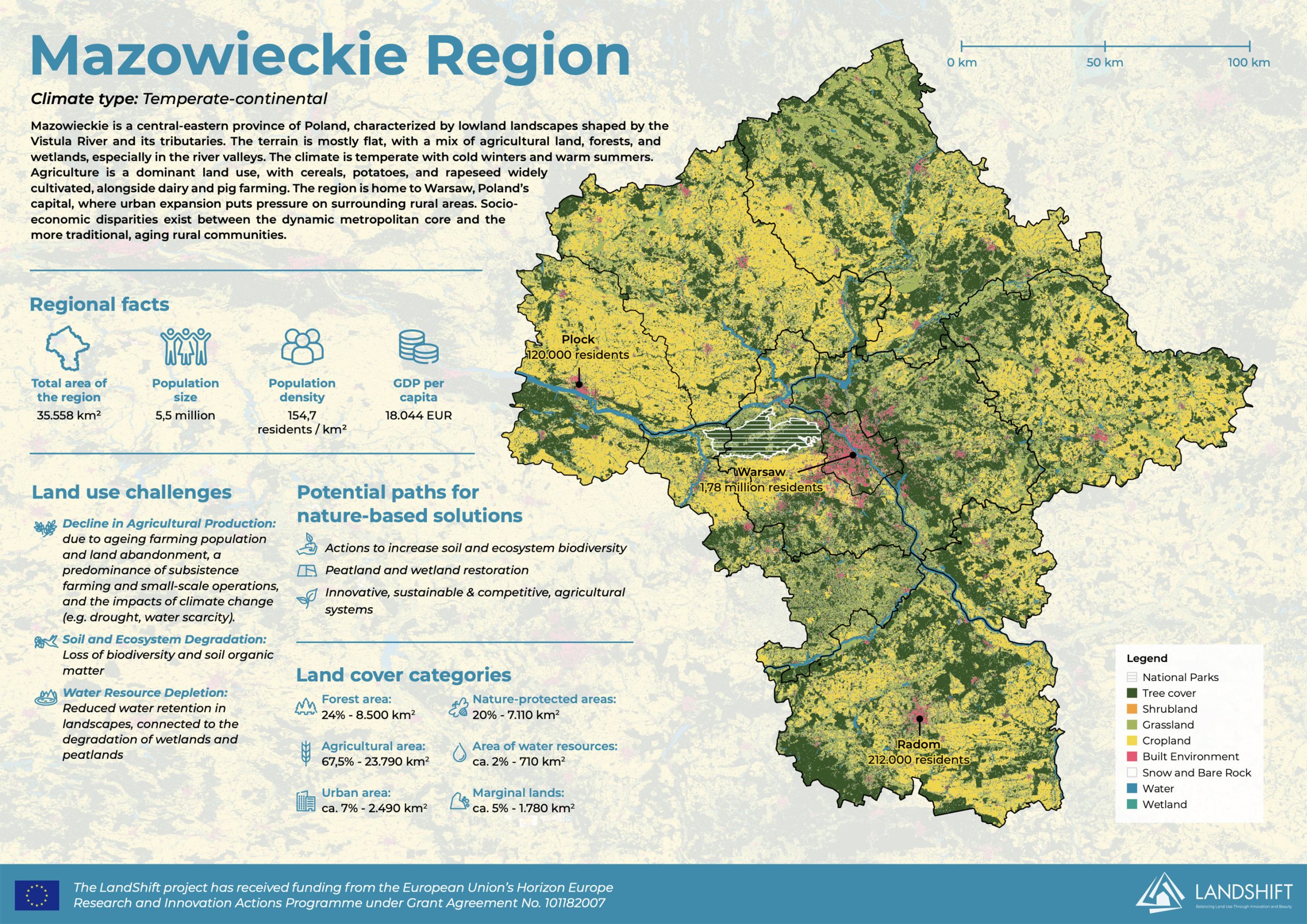
Mazovia is Poland’s largest and most populous voivodeship, characterised by a striking contrast between the rapidly expanding Warsaw Metropolitan Area and the vast agricultural landscapes that surround it. As both an economic hub and a leading agricultural region, Mazovia offers a unique setting for exploring how climate resilience, rural development and sustainable land use can be brought together within the LandShift framework.

A Landscape of Contrasts

Mazovia stands out for its strong agricultural footprint: approximately 68% of its territory is cultivated, making it the country’s most valuable agricultural region. Family farms dominate the landscape, ranging from 5 to 20 hectares, though larger, more industrialised operations—particularly in fruit, vegetable and poultry or dairy production—are steadily growing.

Forests cover roughly one-fifth of the region, including the ecologically significant Kampinos Forest, a rare expanse of preserved lowland nature located just outside a major European capital. This unique mixture of metropolitan sprawl, productive farmland and valuable ecosystems makes land-use decisions in Mazovia especially consequential.
Environmental Challenges and Local Needs

One of Mazovia’s most pressing environmental issues is drought and water scarcity. Recent years have seen increasingly frequent and severe dry spells, leading to declining levels in rivers, lakes and groundwater. These conditions threaten crop yields and may force shifts toward drought-resistant varieties or new cultivation methods. Beyond agriculture, drought intensifies pressures on wetlands and forests and contributes to spatial disparities across the region. Land-use conflicts—driven by urban expansion, infrastructure development and agricultural demand—add complexity to long-term planning. Addressing these challenges requires approaches that balance human needs, environmental protection and economic stability.

How LandShift Is Helping

Through the Mazovia Living Space, communities, researchers and decision-makers are working together to develop solutions informed by regional knowledge and scientific evidence. The initiative aims to create shared strategies that reflect the needs of both metropolitan areas and rural communities.

LandShift supports this process by providing new data, modelling tools and frameworks that highlight how climate change, land use and local pressures interact. The Living Space will use these insights to explore future scenarios and identify practical pathways to strengthen resilience.

Community Involvement and Collaboration

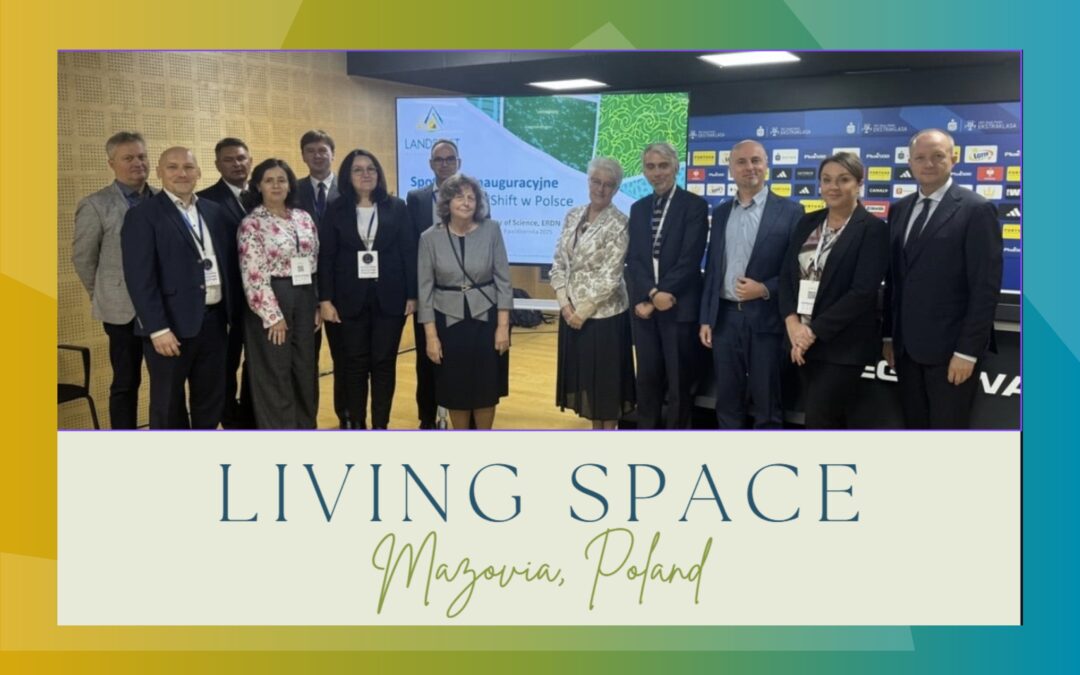
The kick-off meeting revealed a strong readiness among participants—from local government to the academic sector—to collaborate on innovative approaches for achieving climate neutrality and protecting biodiversity. This willingness to work together across institutional boundaries has been one of the most rewarding aspects so far, setting the stage for deeper cooperation.

A Strong Regional Network of Actors

The Mazovia Living Space brings together local government representatives, NGOs, researchers and experts to reflect on the region’s diverse challenges and opportunities. Farmers and rural communities also play a central role, as agriculture remains one of the region’s defining economic and cultural pillars. The kick-off meeting on 8 October 2025 demonstrated strong engagement across sectors and created the foundations for collaborative work on the future of Mazovia’s landscapes.

Vision and Next Steps

The outcomes of the Mazovia Living Space will contribute directly to the development of the upcoming Mazovia Rural Development Strategy. The project’s findings—especially regarding sustainable land use, climate resilience and spatial inequalities—will provide essential data, tools and best practices that regional authorities can apply to long-term planning.

PRESS CONTACT

For more information, press materials, or interview requests, please contact:

Nikolaos Sotiriou

Dissemination & Communication Manager,

White Research
[email protected]

Living Space Spotlight: Eastern Macedonia and Thrace, Greece

Living Space Spotlight: Eastern Macedonia and Thrace, Greece

Stretching from river deltas and fertile plains to wetlands and rugged mountain ranges, the Region of Eastern Macedonia and Thrace is one of Greece’s most ecologically distinctive territories. Its mosaic of landscapes, rich biodiversity and long-standing rural traditions make it an ideal Living Space within LandShift, offering the opportunity to co-design sustainable and climate-resilient land-use pathways with local communities.

A Region Defined by Landscape Diversity

Eastern Macedonia and Thrace is characterised by a unique blend of agricultural land, wetlands, river valleys and forested uplands. This diversity supports a close interdependence between farming, traditional rural livelihoods and protected natural habitats. The coexistence of fertile plains and ecologically sensitive areas makes land-use decisions particularly impactful for the region’s environmental and economic well-being.

Environmental Challenges and Local Needs

The region is becoming a climate-change hotspot, with more frequent wildfires, droughts and flooding events. These extreme conditions intensify existing problems such as water scarcity, soil degradation and biodiversity loss. The combined effects of climate pressures and socio-economic change place increasing stress on rural communities, highlighting the need for coordinated solutions that protect ecosystems while supporting local livelihoods.

How LandShift Is Helping

LandShift provides a collaborative environment where climate and land-use data are brought together with local knowledge to guide future decisions. Following New European Bauhaus principles, the Living Space explores solutions that are sustainable, inclusive and aesthetically meaningful.

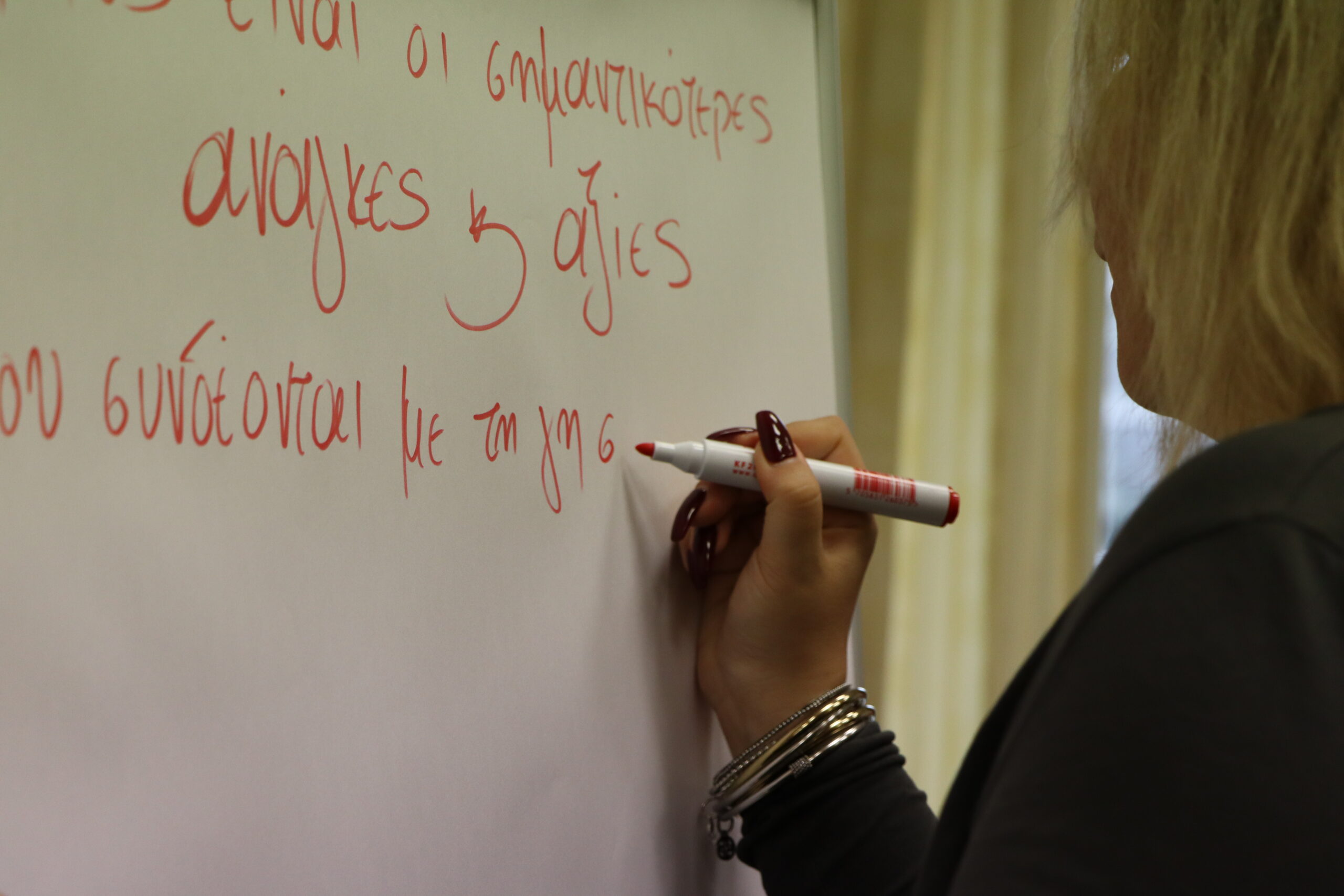
Through co-creation workshops, community labs and stakeholder discussions, the region is identifying nature-based approaches that can support rural landscapes, strengthen resilience and promote local economic opportunities. This includes exploring agroforestry opportunities, restoring degraded areas and assessing future land-use options.

Community Involvement and Collaboration

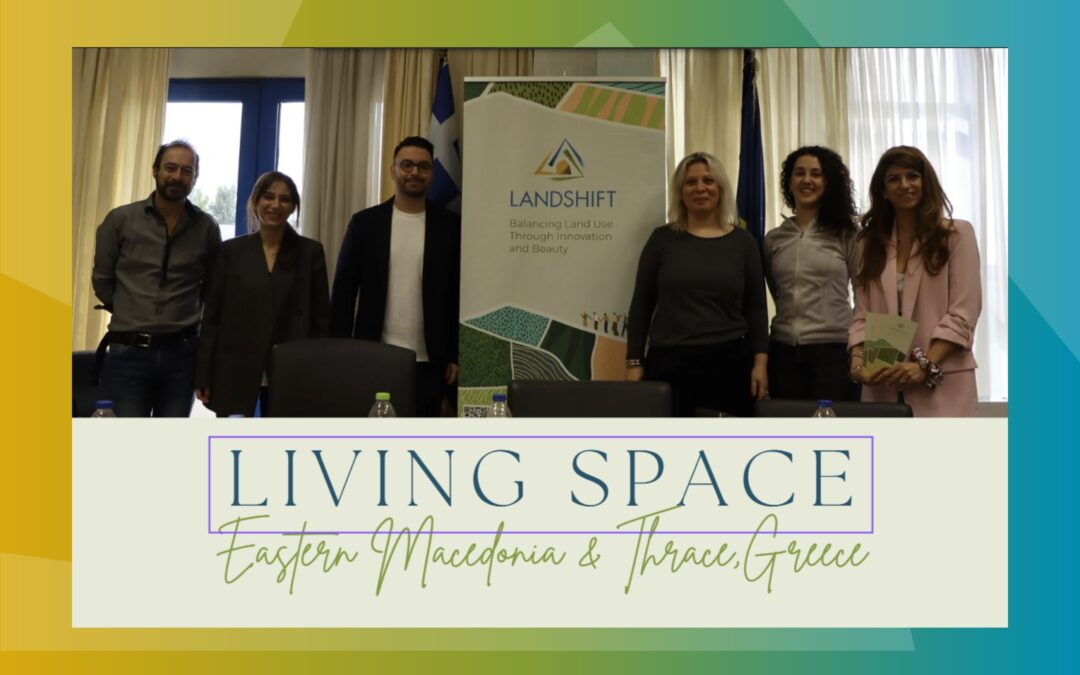
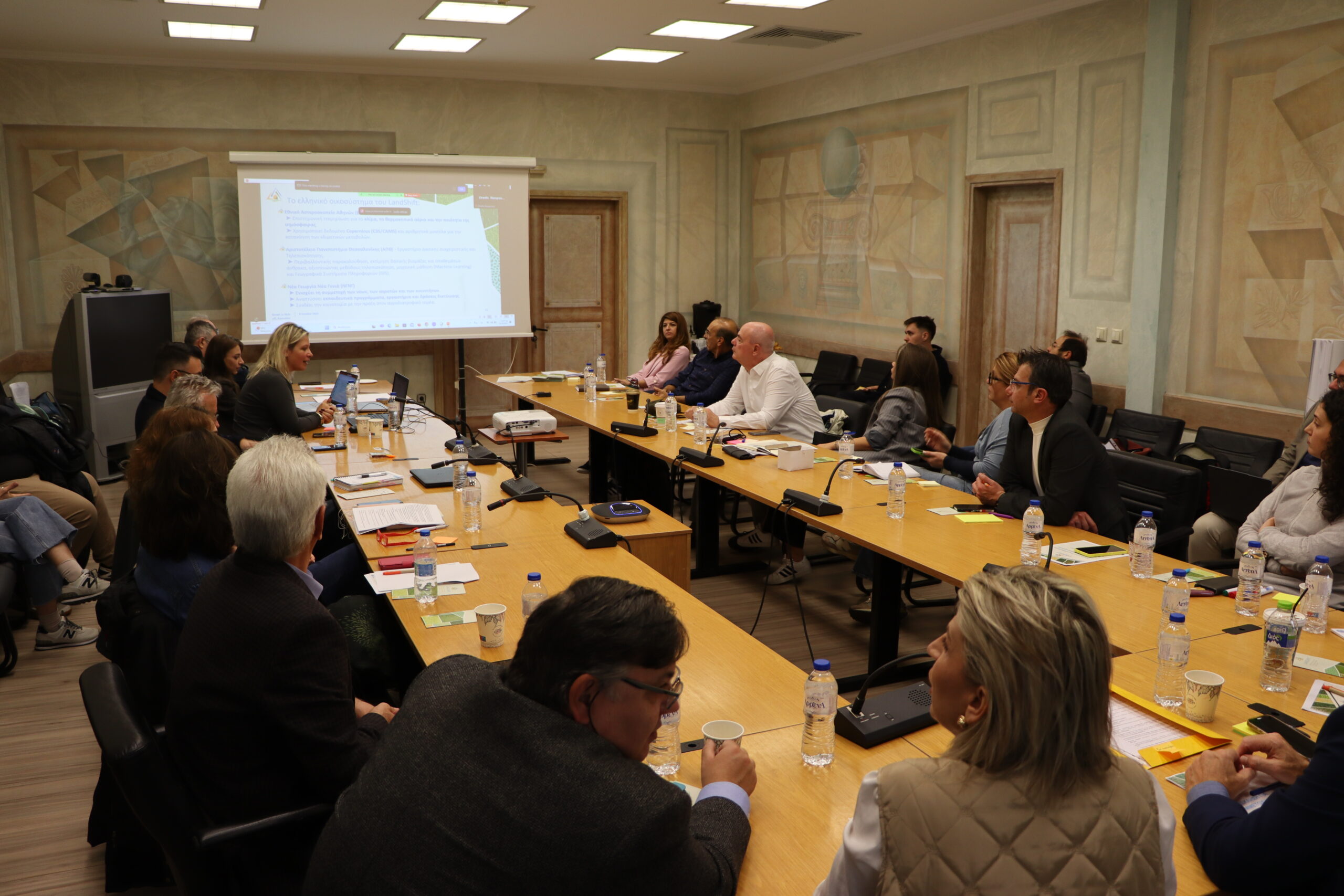
Recent activities have shown a strong willingness among local actors to collaborate. The Living Space’s kick-off meeting demonstrated a growing appetite for shared problem-solving, with participants recognising the value of combining scientific data with local experience. This convergence of perspectives has created productive discussions around challenges and opportunities, setting the stage for broader regional involvement.

A Strong Regional Network of Actors

The Greek Living Space brings together a wide range of stakeholders, including regional authorities, local municipalities, farmers’ and foresters’ organisations, researchers, NGOs, businesses and community groups. This multi-actor platform creates an open space for dialogue, ensuring that planning and decision-making reflect local priorities, scientific insights and broader regional needs.

Vision and Next Steps

In the coming months, the Living Space will work towards transforming discussions into tangible actions on the ground. This includes refining regional objectives, identifying priority areas for nature-based interventions and strengthening cooperation across institutions and communities.
The overarching goal is to shape a common vision for sustainable, climate-ready and inclusive land management in Eastern Macedonia and Thrace.

PRESS CONTACT

For more information, press materials, or interview requests, please contact:

Nikolaos Sotiriou

Dissemination & Communication Manager,

White Research

[email protected]

Living Space Spotlight: Basilicata, Italy

Living Space Spotlight: Basilicata, Italy

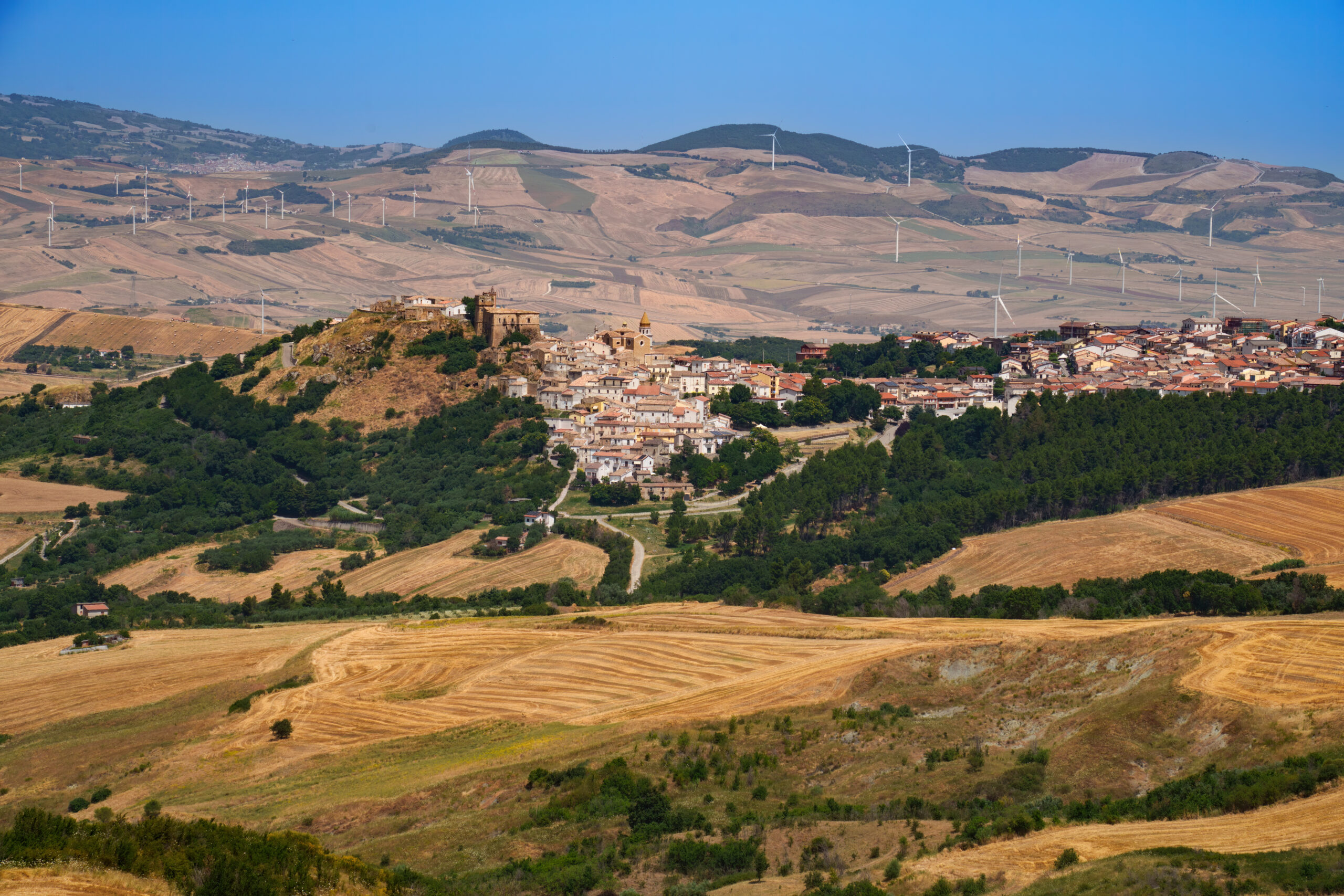
Located in southern Italy between the Apennine mountains and the Ionian and Tyrrhenian coasts, the Basilicata Living Space brings together forests, pastures and highly productive agricultural valleys. With half of the region covered by farmland and more than a third by forests, Basilicata offers an ideal landscape for exploring how climate-neutral land management, rural development and nature conservation can be aligned within LandShift’s European network.

A Region Defined by Contrasting Landscapes

Basilicata’s land use reflects its geography: mountainous uplands shaped by forests and pastures, and fertile valleys dominated by cereals, olives, vineyards and orchards. This mosaic creates a landscape where marginal rural areas coexist with productive agricultural zones and large protected areas. The region’s terrain and ecological diversity make it particularly sensitive to climate variability, land degradation and shifting rural livelihoods.

Environmental Challenges and Local Needs

Basilicata faces significant exposure to land degradation and desertification, with around half of its territory classified as vulnerable. Soil erosion, badlands and vegetation decline are especially prevalent in the drier central-eastern areas. At the same time, land abandonment, climate variability and increasingly frequent extreme events pose risks to agricultural productivity, forest health and the resilience of rural communities. These pressures highlight the need for tools and strategies that can strengthen long-term ecological and economic sustainability.

How LandShift Is Helping

LandShift combines Earth Observation data, AI-based modelling and regional Data Cubes to map current and future land dynamics, carbon removals and biogenic emissions.
This evidence helps co-design regional strategies aligned with New European Bauhaus values, including:

  • sustainable forest management,

  • soil and water conservation measures,

  • landscape restoration, and

  • climate-smart agricultural practices.

By integrating scientific insights with local perspectives, the Living Space aims to inform future land-use decisions and support climate adaptation across the region.

Community Involvement and Collaboration

Through policy and community labs, the Living Space involves local authorities, farmers, foresters, researchers, businesses and citizens in defining challenges and testing solutions. A crowdsourcing app and participatory workshops allow residents to contribute observations on land-use change, biodiversity and soil conditions, ensuring that local knowledge complements scientific analysis.

One of the most rewarding aspects so far has been witnessing previously separate communities — researchers, farmers, foresters and local authorities — recognising shared interests in climate-resilient land management. Early discussions have shown how combining satellite data with hands-on experience creates space for constructive dialogue.

A Wide Network of Regional Actors

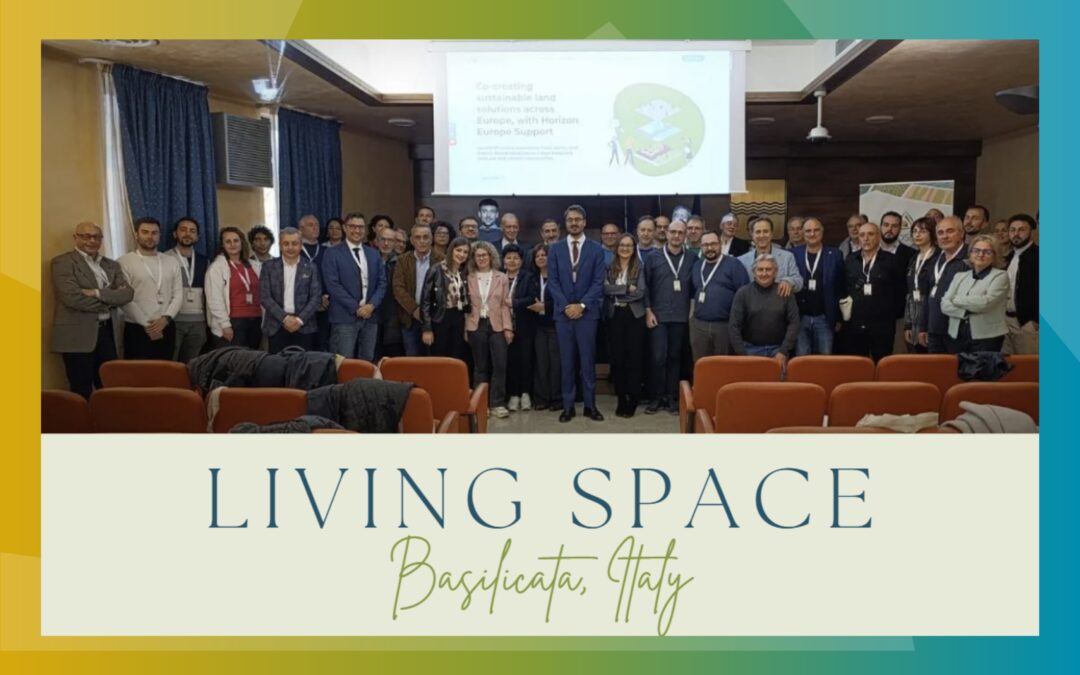
The Italian Living Space is co-led by the Basilicata Region’s Department of Agricultural, Food and Forestry Policies and the University of Basilicata (UNIBAS), with support from Politecnico di Milano (POLIMI). The initiative engages farmers’ organisations, forest authorities, park managers, NGOs and local communities, forming a multi-actor platform that connects science, policy and practice in regional land-use decisions.

Vision and Next Steps

The next phase of the Living Space will focus on co-designing a regional roadmap that links long-term scenarios with practical measures, including soil and water conservation in vulnerable catchments, climate-smart forestry and agroecological practices. This roadmap will feed into regional strategies and serve as a reference for similar Mediterranean and mountainous areas across Europe.

PRESS CONTACT

For more information, press materials, or interview requests, please contact:

Nikolaos Sotiriou

Dissemination & Communication Manager,

White Research
[email protected]

Living Space Spotlight: Occitanie, France

Living Space Spotlight: Occitanie, France

Located in southern France, the Occitanie region spans coastal plains, river valleys, forests and mountainous areas, making it one of Europe’s most diverse landscapes. Its rapid population growth and high ecological value make it a strategic Living Space within LandShift, where nature-based solutions and new land-use insights can support both environmental protection and local development.

A Region Defined by Diversity and Growing Pressures

Occitanie stands out for its exceptional variety of landscapes, from Mediterranean coasts to upland areas rich in biodiversity. This diversity attracts new residents and tourists, contributing to strong demographic growth. However, rising demand for housing, tourism and infrastructure often collides with agricultural needs and natural ecosystems, leading to habitat fragmentation and increasing land-use conflicts

Environmental Challenges and Local Needs

Like many Mediterranean regions, Occitanie faces intensifying climate impacts: recurring droughts, severe wildfires (including a major one in Aude this year), water stress, soil salinisation and destructive floods. Urban areas experience heat-island effects, while rural areas contend with ageing farming populations, agricultural land abandonment and competing land and water demands across agriculture, tourism and urbanisation.

How LandShift Is Helping

LandShift provides an opportunity to test a range of nature-based solutions, including hedgerow planting, inter-crop vegetation and climate-resilient species. These approaches will help identify ways for local authorities, farmers and planners to adapt to changing conditions. The project also supports improved monitoring through in-situ measurements and satellite data, enabling evidence-based decisions for long-term land resilience.

Community Involvement and Collaboration

Over the past months, the Occitanie Living Space has expanded significantly to include a broader set of local stakeholders. This growing network strengthens collaboration and ensures that proposed solutions reflect both local knowledge and scientific evidence. One particularly rewarding discovery has been the realisation that several nature-based solutions are already being tested across parts of the region, offering valuable inspiration and local proof of concept.

A Wide Network of Regional Actors

The Living Space brings together a broad coalition of regional and local authorities, climate agencies, research institutions, farmers’ organisations and land-management bodies. Key contributors include: Région Occitanie, Agence Régionale Énergie-Climat, Montpellier Méditerranée Métropole, Conseil départemental de l’Aude, INRAE, IRD, the Narbonnaise Regional Natural Park, Pays Cœur d’Hérault, TERRANIS, OPenIG and several local environmental and agricultural stakeholders. Their combined expertise supports cohesive discussions on climate risks, land pressures and sustainable development.

Vision and Next Steps

In the next phase, the Living Space aims to finalise its library of nature-based solutions, enhance in-situ monitoring efforts and begin generating the first modelling results for the region. These tools will help explore future land-use scenarios and identify strategies that balance ecological protection with social and economic needs.

PRESS CONTACT

For more information, press materials, or interview requests, please contact:

Nikolaos Sotiriou

Dissemination & Communication Manager,

White Research
[email protected]

Sister Project Spotlight: EARTHONE – Understanding the Drivers of Greenhouse Gas Emissions Across Europe

Sister Project Spotlight: EARTHONE – Understanding the Drivers of Greenhouse Gas Emissions Across Europe

LandShift is pleased to highlight EARTHONE, one of our closest sister projects working at the intersection of land use, climate resilience and data-driven environmental analysis. EARTHONE focuses on understanding how social, demographic and environmental factors influence greenhouse gas (GHG) emissions across some of Europe’s most climate-sensitive regions. Its work provides essential insight into how landscapes respond to pressures such as land-use change, extreme events and shifting population dynamics.

By combining field-based observations with advanced modelling approaches, EARTHONE develops practical strategies that support more sustainable and climate-responsible land management across Europe.

A Comprehensive Approach to GHG Dynamics

EARTHONE’s mission is to deliver an integrated understanding of the socio-economic, demographic and physical drivers that shape GHG fluxes. The project brings together:

  • data-driven climate and land-use modelling,

  • detailed field measurements,

  • social and demographic analysis, and

  • regional insights from some of Europe’s most vulnerable landscapes.

This interdisciplinary method allows EARTHONE to build a complete picture of how greenhouse gases are produced, stored, or released helping policymakers and practitioners design more effective responses to climate change.

Six Pilots, Six Perspectives

EARTHONE undertakes its work across six contrasting pilot regions: Spain, Greece, Italy, Croatia, Slovenia and North Macedonia. These pilots were chosen for their diverse land-use characteristics, ranging from forested and mountainous areas to agricultural plains and peri-urban zones.

Each pilot site is equipped with soil, vegetation and atmospheric sensors that feed real-time data to climate modelling partners. This evidence-driven approach ensures that the project’s findings reflect the specific ecological and social realities of each region.

Expected Impact and Contribution to European Climate Goals

By developing adaptable methodologies, mapping emission trends and identifying effective land-use solutions, EARTHONE’s work supports progress toward the EU’s 2030 climate objectives and long-term 2050 carbon-neutrality goals. Its findings are intended to help landowners, environmental agencies and policymakers strengthen resilience, improve environmental monitoring and adopt sustainable land-use practices.

Why EARTHONE Matters for LandShift

EARTHONE and LandShift share a commitment to evidence-based, community-aware land management. The insights provided by EARTHONE’s pilots and climate analyses complement LandShift’s own work on nature-based solutions and Living Spaces. Together, these projects contribute to a growing European knowledge base focused on land-use decisions that balance environmental, social and economic priorities.

Learn more by visiting EARTHONE’s website: https://earthone-project.eu/ 


PRESS CONTACT

For more information, press materials, or interview requests, please contact:

Nikolaos Sotiriou

Dissemination & Communication Manager,

White Research
[email protected]

LandShift First-Year Consortium Meeting: A Milestone for Our Growing Community

LandShift First-Year Consortium Meeting: A Milestone for Our Growing Community

On 14 November 2025, the LandShift consortium gathered online for the project’s First-Year Meeting. Partners from all five Living Spaces and supporting organisations came together to reflect on a year of work, share progress, and look ahead to the next steps of our collective journey.

Over the past 12 months, LandShift has grown from an ambitious idea into a network of active regional communities. Each Living Space, Occitanie in France, Eastern Macedonia and Thrace in Greece, Basilicata in Italy, Mazovia in Poland, and Kyiv Region in Ukraine, shared updates on their local engagement, challenges, and early achievements. From expanding stakeholder groups to launching local meetings and identifying nature-based solutions to test, the Living Spaces are quickly becoming active hubs for collaboration and regional dialogue.

The meeting also highlighted LandShift’s scientific and technical progress. Partners presented advances in collecting climate and land-use data, mapping environmental trends, examining soil and ecosystem indicators, and developing tools that will guide future land-use scenarios. These efforts aim to give regions clearer insights into how climate change, land management, and local decisions interact.

Another important part of the discussion was community engagement. Partners reviewed the progress made in bringing policymakers, local organisations, farmers, foresters, and civil-society groups into the conversation. Strengthening these relationships will be key as LandShift begins designing shared strategies for sustainable and inclusive land use.

Finally, the meeting also served as a moment to look forward. Partners discussed next steps for regional workshops, co-creation activities, new data collection efforts, and the upcoming release of tools and visual resources that will support local decision-making.

As LandShift moves into its second year, the consortium is more connected, more informed, and more committed than ever. The project is building solid foundations for climate-resilient, community-centred land management across Europe and the momentum continues to grow.


PRESS CONTACT

For more information, press materials, or interview requests, please contact:

Nikolaos Sotiriou

Dissemination & Communication Manager,

White Research

[email protected]